
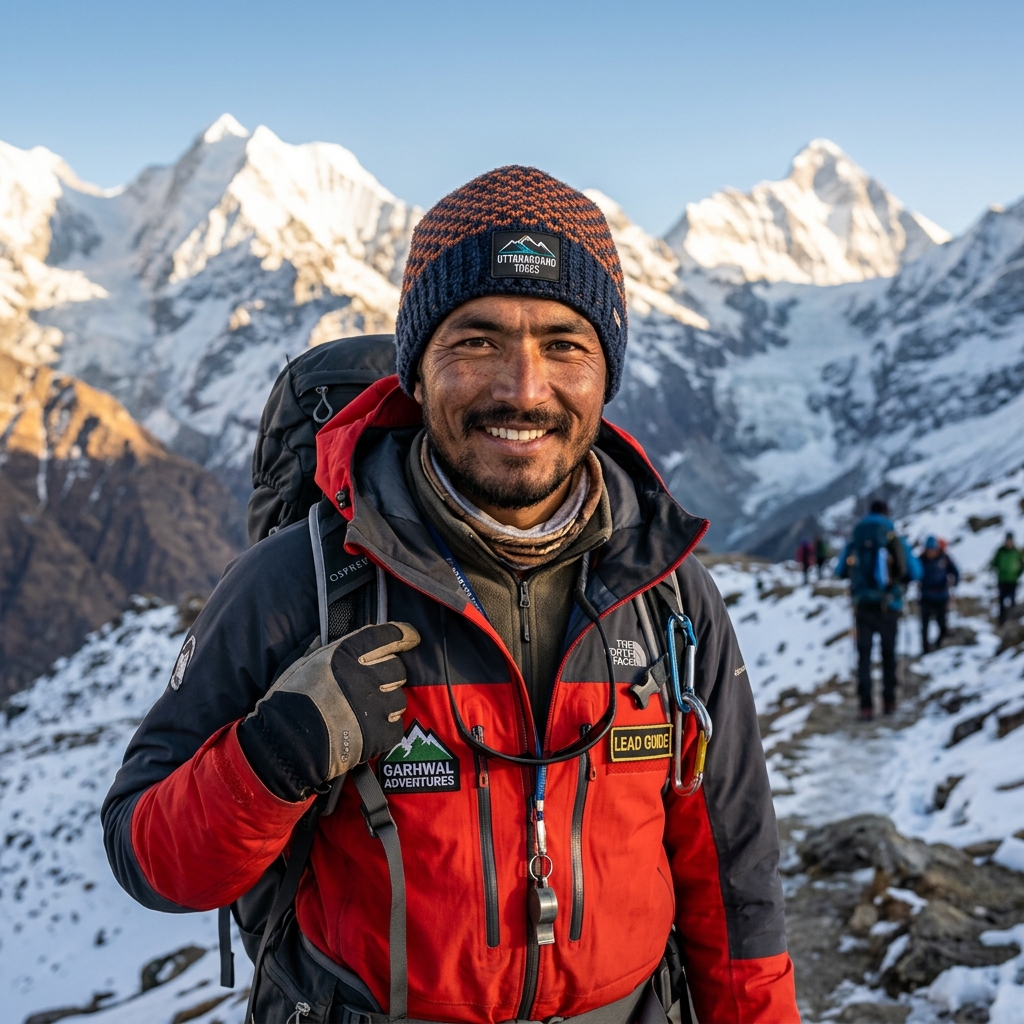
Every operator's pre-trek document has the same AMS symptom list — headache, nausea, dizziness, loss of appetite. All true, all useful to know. But after a decade of guiding, the signs that actually change what I do on the trail aren't always the ones at the top of that list.
What we actually watch for
A change in someone's pace that doesn't match the terrain. If someone was keeping steady pace all morning and suddenly falls back noticeably on a section that isn't harder than what came before, that's an earlier signal than most people realize.
Irritability or unusual quietness. Altitude affects mood before it affects the body in obvious ways. A normally chatty trekker going silent, or someone getting short-tempered over nothing, is worth a direct check-in.
Trouble sleeping combined with a headache. Either alone is common and often not serious. Together, especially above 11,000 ft, we take them far more seriously.
Coordination — the finger-to-nose test. We genuinely do this if we suspect something's off: touch your nose with your index finger, eyes closed. Noticeable difficulty is one of the more reliable field signs of worsening AMS, more so than a headache alone.
What isn't usually a red flag
Mild breathlessness on a steep section, a bit of appetite loss on day one, or feeling generally more tired than at sea level — all normal acclimatization responses, not AMS on their own.
What we do if we see real signs
The standard, correct response to worsening AMS is: stop ascending, and if symptoms don't improve or worsen, descend. No summit, viewpoint, or schedule is worth pushing through moderate-to-severe symptoms — this is covered explicitly in our operational transparency & safety policies, and it's not a judgment call we compromise on mid-trek.
Frequently Asked Questions
No — see our Hampta Pass fitness guide for why physical fitness and AMS susceptibility are related but separate physiological mechanics.
Talk to a licensed physician before your trek, not us — we're not qualified to prescribe medication, but our guides carry emergency oxygen and comprehensive wilderness first aid kits on all departures.
Safety is Non-Negotiable at High Altitude
Our 1:5 guide-to-trekker ratio ensures every single hiker's vitals are monitored twice daily.
Explore Upcoming Batches →